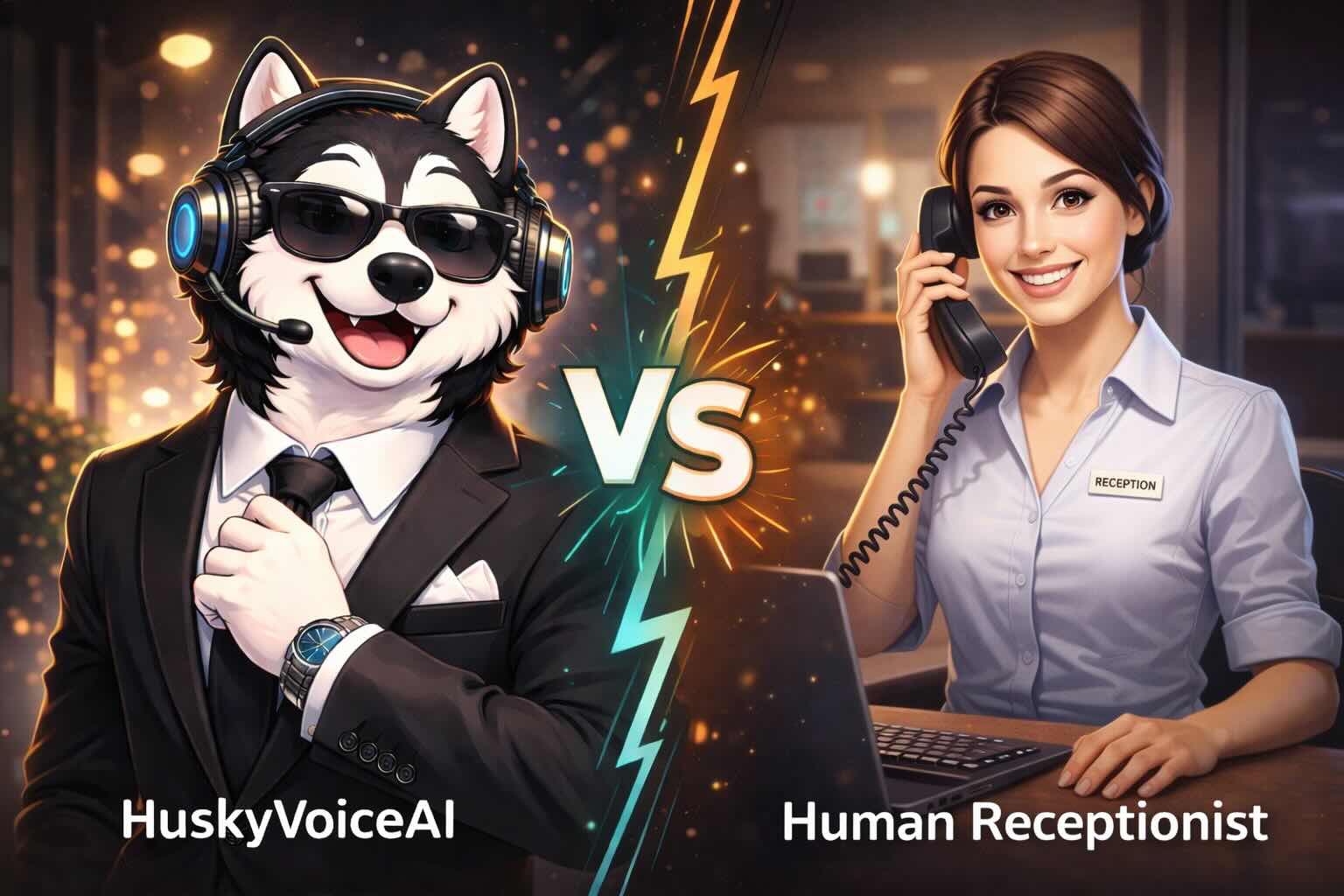
For the last decade, hiring technology has followed a Western playbook.
Forms.
Chatbots.
Email workflows.
Web portals.
On paper, these sound efficient.
In India, they often fail.
Not because the technology is bad—but because it ignores how people actually behave.
India is a voice-first country. And when it comes to hiring, especially high-volume and frontline roles, voice is not just better—it’s necessary.
The Reality of Hiring in India
Imagine a delivery agent candidate in Jaipur.
They’re:
• On the road
• Using mobile data
• Switching between apps
• Possibly not fluent in English
• Definitely not sitting at a laptop
Now imagine this candidate receiving:
• A long application form
• A chatbot asking 10 questions
• An email with a link
Chances are:
They’ll ignore it.
But if they get a phone call?
They answer.
That’s the difference.
Why Chatbots Struggle in Indian Hiring
Chatbots work well in environments where users:
• Are comfortable typing
• Have time
• Are fluent in English
• Prefer text
That’s not most frontline hiring in India.
Here’s what typically happens:
1. Chatbots Create Friction
Typing takes effort.
Many candidates:
• Are driving
• Are at work
• Are on the move
They don’t want to type long responses.
2. Chatbots Assume Literacy Comfort
A form might look simple to you.
But for many candidates:
• Reading long instructions is tiring
• Typing is slow
• Errors feel embarrassing
Voice removes all of that.
3. Chatbots Feel Cold and Impersonal
Hiring is emotional.
Candidates want reassurance.
They want clarity.
They want to ask questions.
Voice creates trust.
Chatbots don’t.
4. Chatbots Have High Drop-Off
Every extra step:
• Reduces completion
• Loses interest
• Sends candidates to competitors
Why Voice Works Better in India
Voice is not “advanced” in India.
It’s natural.
1. Voice Is Low-Effort
No typing.
No reading.
No clicking.
Just talk.
2. Voice Feels Human
Even when it’s AI.
A voice saying:
“Hi, I’m calling about your job application…”
…creates immediate trust.
3. Voice Works Across Literacy Levels
You don’t need to read well.
You don’t need to type.
You don’t need to navigate a UI.
You just respond.
4. Voice Is Multilingual by Default
India is not English-only.
Candidates switch between:
• Hindi
• Hinglish
• Tamil
• Telugu
• Kannada
• Marathi
• Bengali
Voice AI can handle this.
Forms cannot.
A Real-World Example: Delivery Agent Hiring
Let’s look at quick commerce and delivery hiring.
These companies hire:
• Hundreds per week
• In waves
• Across cities
• With urgent demand
Now imagine this process:
Manual Flow
- Candidate applies
- Recruiter calls manually
- No answer
- Try again
- WhatsApp message
- Spreadsheet update
- Another follow-up
- Candidate already joined elsewhere
This breaks at scale.
Voice AI Flow
- Candidate applies
- Voice AI calls instantly
- Introduces the role
- Asks screening questions
- Captures responses
- Schedules interview
- Sends WhatsApp confirmation
- Shares summary with recruiter
This is what the HuskyVoice AI Recruiter does.
👉 Learn more: https://www.huskyvoice.ai/recruitment
Why Voice AI Is Perfect for High-Volume Hiring
High-volume hiring has unique needs:
| Requirement | Voice AI |
|---|---|
| Instant response | ✅ |
| Multilingual | ✅ |
| Low effort | ✅ |
| 24/7 | ✅ |
| Follow-ups | ✅ |
| Natural | ✅ |
| Human-like | ✅ |
This is why voice adoption will be fastest in:
• Delivery
• BPOs
• Retail
• Warehousing
• Hospitality
• Field sales
Voice AI vs Chatbots: Side-by-Side
| Factor | Chatbots | Voice AI |
|---|---|---|
| Effort | High | Low |
| Trust | Low | High |
| Literacy dependency | High | Low |
| Multilingual ease | Hard | Easy |
| Engagement | Medium | High |
| Drop-offs | High | Low |
| Human feel | No | Yes |
Why Recruiters Prefer Voice AI
Recruiters don’t want more dashboards.
They want:
• Fewer missed calls
• Faster screening
• Fewer no-shows
• Less repetition
• Better-qualified candidates
Voice AI gives them that.
Instead of spending 80% of their time dialing, they spend time actually recruiting.
The Hidden Benefit: Employer Brand
Candidates talk.
If they experience:
• Slow follow-ups
• Missed calls
• Confusion
They blame the company.
Voice AI creates:
• Fast response
• Clarity
• Professionalism
• Consistency
This strengthens your brand—even at scale.
Where HuskyVoice Fits
HuskyVoice is built for:
• India-first hiring
• Voice-first workflows
• Multilingual conversations
• WhatsApp fallback
• Real phone numbers
• ATS integration
• Structured summaries
This is not a chatbot with speech.
This is a voice-native hiring system.
👉 See how it works: https://www.huskyvoice.ai/recruitment
What Hiring Will Look Like by 2027
By 2027:
• Candidates will expect instant calls
• Manual screening will feel outdated
• Voice-first flows will dominate
• Recruiters will focus on relationships
• AI will handle first-touch operations
The companies that adapt early will hire faster—and cheaper.
Final Thought
Hiring is not a UX problem.
It’s a human problem.
Voice solves it because humans speak.
Not type.