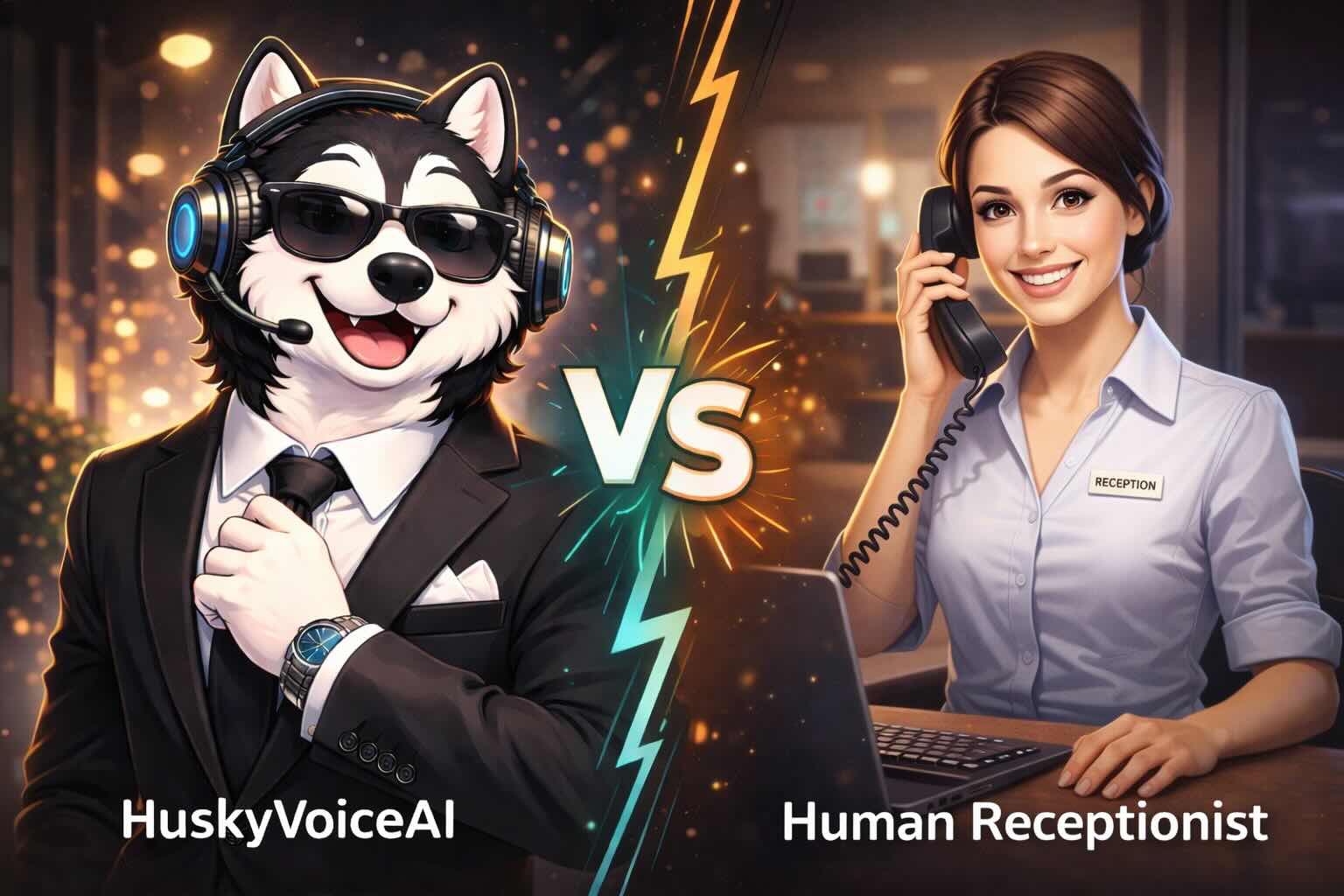
Introduction: Delivering Goods at Speed, Hiring at Slowness
Quick commerce companies like Blinkit, Zepto, Dunzo, Swiggy Instamart, and BigBasket faced a common but underdiscussed problem:
They optimized delivery times to minutes — but hiring delivery agents still takes weeks.
For every day lost in hiring:
- Delivery capacity drops
- Orders go unserved
- Revenue is lost
- Competitors pull ahead
In volume hiring, especially for delivery agents who apply through:
- WhatsApp links
- Job portals
- Walk-ins
- Referral traffic
…recruiters must call hundreds of candidates every day to assess:
- Availability
- Experience
- Location
- Motor license
- Shift preferences
- Pay expectations
This becomes a bottleneck when the same recruiter repeats the same questions dozens of times a day.
That’s where Voice AI is winning fast.
👉 See how HuskyVoice’s Voice AI Recruiter helps high-volume hiring: https://www.huskyvoice.ai/recruitment
The Quick Commerce Hiring Reality
Delivery agent hiring in quick commerce has some unique challenges:
🚗 Volume Fluctuates Rapidly
Demand surges every week — especially Fridays, weekends, or sale days.
🚶 High Drop-Off Rates
Candidates don’t answer unknown numbers.
Calls go unanswered.
Candidates lose interest.
⏱ Manual Calling Doesn’t Scale
A recruiter making 50–70 calls a day:
- Exhausts capacity quickly
- Misses follow-ups
- Slows scheduling
🧠 Language Diversity
Delhi candidates speak Hinglish, Chennai candidates speak a mix of Tamil/English, Mumbai candidates use Marathi/Hinglish — hard to handle with forms.
Traditional Hiring Flow: Why It Breaks
Step 1 — Applications come in
200–500 candidates in a week.
Step 2 — Recruiters call them manually
Each call takes 3–8 minutes.
Step 3 — Recruiters track responses in a sheet/CRM
Manually.
Step 4 — Many candidates don’t pick up
So recruiters call again… and again…
Result:
- Recruiters spend 80% of their time dialing
- Hiring slips by days
- Top candidates join competitors
This is a waste of human capital.
Quick Commerce Example: Hiring 300 Delivery Agents
Baseline Manual Model
| Metric | Manual Hiring |
|---|---|
| Applications | 300/week |
| Recruiters | 3 |
| Avg calls per recruiter/day | 60 |
| Drop-off rate | 45% |
| Time-to-screen | 2–3 days |
| Candidate follow-ups | 30–40/week |
| Scheduling time | 1–2 hours/day |
Even worse:
Most candidates never respond, or respond after 24–48 hours — long after they’ve accepted elsewhere.
The Voice AI Recruiter Model
Instead of recruiters manually calling:
✅ AI calls every candidate instantly
✅ Introduces job details
✅ Asks screening questions
✅ Captures structured responses
✅ Books slots
✅ Sends WhatsApp & email confirmations
✅ Alerts recruiters with summaries
This is exactly what the Voice AI Recruiter from HuskyVoice does.
Here’s how this changes outcomes.
Voice AI in Action — Quick Commerce Hiring
Scenario:
300 applications for delivery agents.
Voice AI Flow:
- Candidate applies via job portal / WhatsApp link
- Voice AI calls within minutes
- AI says:
“Hi, I’m calling on behalf of Company about your delivery agent application… Can I ask you a few questions?” - Candidate responds
- AI captures:
- Years of experience
- Motorbike license status
- Area of operation
- Shift preferences
- Expected salary
- Qualified candidates are auto-scheduled with recruiters or given next steps
- WhatsApp confirmation sent
- Recruiter receives structured insights
Results:
| Metric | Manual | Voice AI |
|---|---|---|
| Calls attempted | 1800+ | 300 |
| Completed screens | ~80 | ~220 |
| Qualified | ~50 | ~180 |
| Recruiter calls saved | 1000+ | 100 |
| Time-to-screen | Days | Hours |
This is not theoretical — it maps directly to real-world recruiting where response time wins the candidate.
Why This Works Better Than Chatbots and Forms
Recruiters have tried:
- Chatbots
- Forms
- AI SMS follow-ups
These fail because:
❌ Chatbots need typing — many candidates don’t
❌ Forms are ignored
❌ Email workflows are slow
❌ SMS by itself gets low engagement
In India, voice is the default first channel:
- People pick up phone calls
- They trust voice engagement
- Voice overcomes literacy & typing barriers
- Voice works where WhatsApp fails
That’s why Voice AI outperforms text bots specifically in volume hiring.
👉 Internal link to your recruitment page
Real Benefits Recruiters See
✅ Faster Screening at Scale
No manual dialing, no waiting.
✅ Reduced Recruiter Workload
Focus only on qualified candidates.
✅ Better Engagement
Higher pickup and completion rates than SMS or chat.
✅ Language Fluency
Native handles Hinglish and regional languages.
✅ Consistent Screening
Every candidate hears the same questions, objectively.
✅ No Missed Follow-Ups
AI retries and schedules automatically.
How to Measure Impact
If you’re A/B testing Voice AI vs manual:
Key metrics:
- Time-to-screen
- Completion rate
- Qualification rate
- Drop-off rate
- Time-to-schedule
- Recruiter hours saved
- Cost per hire
Voice AI should:
✅ Reduce time-to-screen
✅ Increase completion rates
✅ Free recruiter time
✅ Reduce cost per hire
Conclusion: Voice AI Isn’t Future — It’s Present
Quick commerce in India grew because it optimized last-mile delivery.
Now growth depends on fast, scalable hiring.
Voice AI solves the bottleneck that forms and chatbots could not:
📍 It works in the real world
📍 It meets candidates where they are
📍 It scales without extra recruiters
This is why India’s volume hiring teams will adopt Voice AI first — and fast.