How India’s Best Restaurants Attract More Customers—Every Single Week

How India’s Best Restaurants Attract More Customers—Every Single Week

Top restaurants don’t rely on one channel to bring customers in — they build repeatable demand engines that combine experience, recall, and relationships. Here are battle-tested best practices followed by top restaurants globally and in India, broken down in a very practical way 👇 1️⃣ Obsess over repeat customers (not just footfall) The best restaurants […]

Top restaurants don’t rely on one channel to bring customers in — they build repeatable demand engines that combine experience, recall, and relationships.

Here are battle-tested best practices followed by top restaurants globally and in India, broken down in a very practical way 👇


1️⃣ Obsess over repeat customers (not just footfall)

The best restaurants know:

A returning customer is 5–7× cheaper than acquiring a new one

What they do:

  • Maintain a guest book / CRM (even a simple one)
  • Track:
    • Name
    • Visit frequency
    • Preferred table / dish
    • Occasion (birthday, anniversary)

Examples:

  • Starbucks → hyper-personalized offers via loyalty
  • Premium Indian restaurants → staff remembers names & preferences

✅ Result: Customers feel recognized, not sold to.


2️⃣ Own the customer relationship (reduce aggregator dependency)

Top restaurants aggressively reduce dependency on Zomato / Swiggy.

How they do it:

  • Push direct reservations via:
    • Google Business Profile
    • Phone calls
    • WhatsApp
  • Offer direct-only perks:
    • Better table
    • Complimentary dish
    • Priority seating

📌 Many top outlets quietly tell guests:

“Next time, just call us directly.”


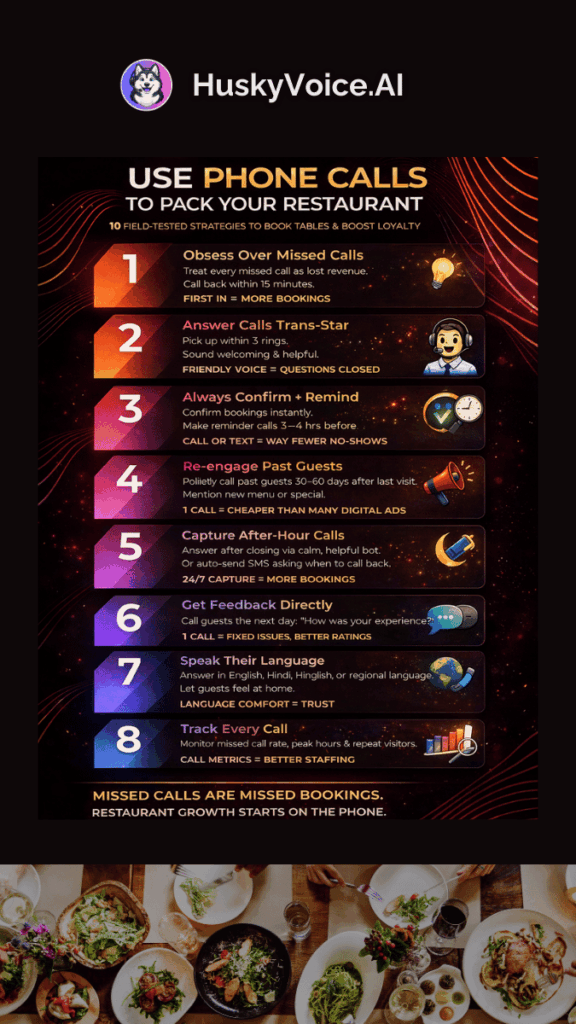
3️⃣ Turn phone calls into a growth channel (underrated)

Phone is still the highest-converting channel for restaurants in India.

Best practices:

  • Never miss calls (or call back in <15 mins)
  • Confirm + remind reservations
  • Re-engage past guests via short, polite calls

Leaders already do:

  • Dedicated staff for phone handling
  • Or Voice AI for:
    • Missed call recovery
    • After-hours bookings
    • Multi-language calls

📈 Impact:

  • Higher bookings
  • Lower no-shows
  • Better guest experience
Image

4️⃣ Make the restaurant Instagrammable, not just tasty

Top restaurants design food and spaces for shareability.

What works:

  • Signature dish with visual appeal
  • One “hero corner” for photos
  • Consistent plating & lighting

Social strategy:

  • Reels > static posts
  • Behind-the-scenes kitchen clips
  • Chef talking about the dish

🔥 One viral Reel = weeks of bookings.


5️⃣ Use events to create scarcity & buzz

Top restaurants don’t wait for customers — they create reasons to visit.

Common formats:

  • Chef’s tasting nights
  • Wine pairing dinners
  • Regional cuisine weeks
  • Festival menus (Diwali, Eid, Christmas)

Why it works:

  • Limited seats → urgency
  • Higher ticket size
  • Media & influencer interest

6️⃣ Staff training = marketing

The best restaurants treat staff as brand ambassadors.

They train staff to:

  • Suggest add-ons naturally
  • Mention upcoming events
  • Encourage direct bookings next time

Example:

“Next time you come, just ask for me — I’ll make sure you get the same table.”

That line alone brings repeat visits.


7️⃣ Feedback loops that actually close the loop

Top restaurants don’t just collect feedback — they act on it.

Best practice:

  • Short follow-up call or message:
    • “How was your experience?”
  • Fix issues before the customer leaves a bad review
  • Ask for Google review only if experience was positive

📊 Result:

  • Higher ratings
  • Stronger local search ranking
  • Better trust

8️⃣ Smart loyalty (not discount-heavy)

Best restaurants avoid heavy discounts.

Instead they offer:

  • Complimentary dessert
  • Chef’s special tasting
  • Priority reservations
  • Invitations to closed events

🎯 Emotional loyalty > transactional discounts


9️⃣ Timing is everything

Top restaurants are extremely intentional about timing.

ActionBest Time
Re-engagement calls11:30 AM – 1 PM
Reservation reminders3–4 hrs before
Event promotions5–7 days before
Feedback follow-upNext day

10️⃣ Tech quietly powering all this

Behind the scenes, top restaurants use:

  • Lightweight CRM or POS integrations
  • WhatsApp confirmations
  • Call tracking & analytics
  • Voice AI for scale

Example:

  • Domino’s → obsessive focus on speed, calls, and order experience
Image

TL;DR – What top restaurants really do

They:

  • Focus on repeat customers
  • Control direct relationships
  • Treat calls as revenue
  • Build buzz via experiences
  • Use tech quietly, not loudly

Ready to Transform Your Business with Voice AI?

Discover how HuskyVoice.AI can help you never miss another customer call.

Related Articles

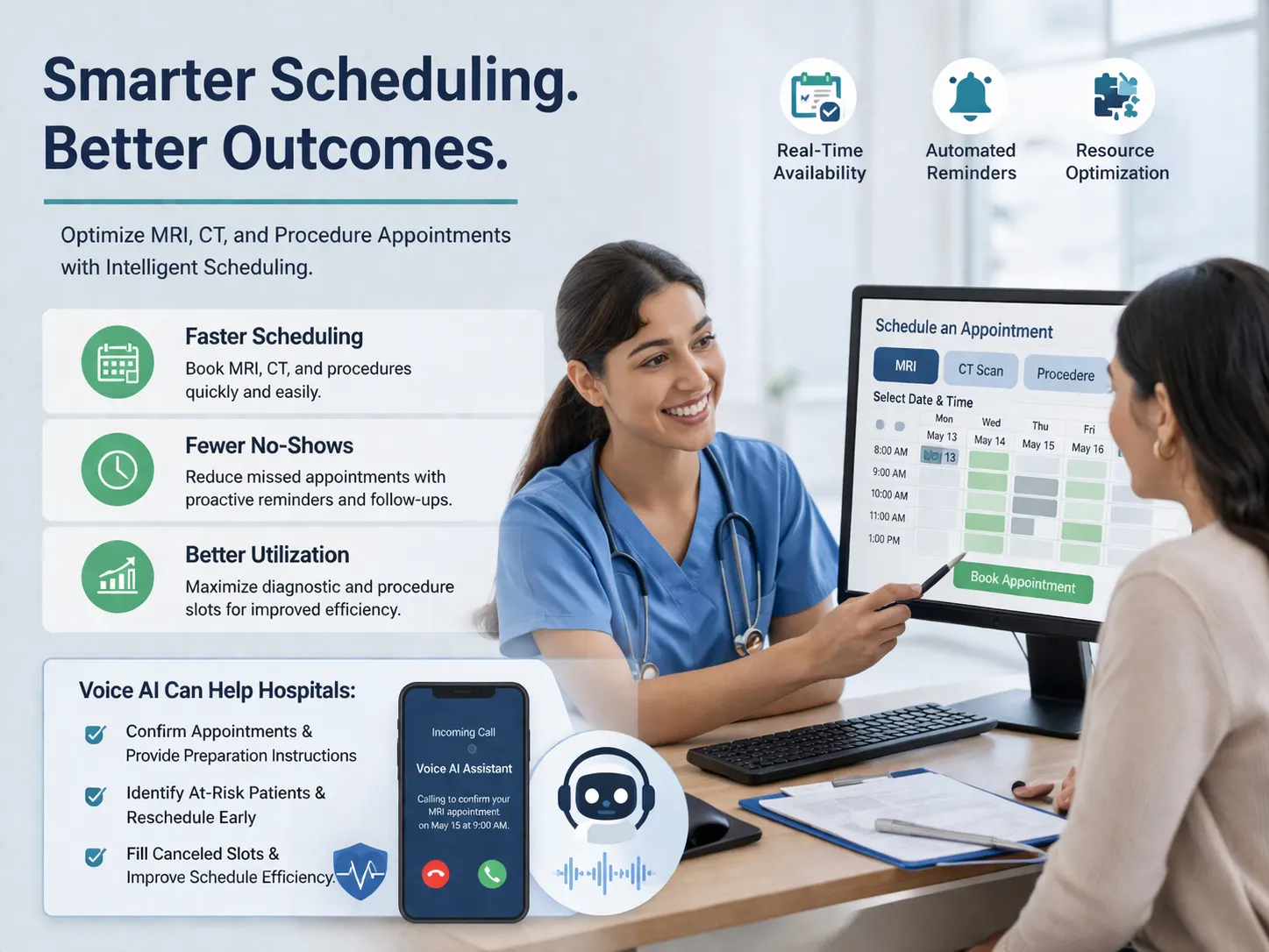
How Hospitals Can Reduce Missed MRI, CT, and Procedure Appointments with Voice AI

Missed MRI, CT, and procedure appointments are not just a scheduling nuisance. In hospitals, they create a chain reaction: expensive imaging capacity goes unused, staff time is wasted, follow-up consultations are delayed, and patients wait longer for diagnosis and treatment. Radiology-specific research and operational guidance consistently treat no-shows as a serious efficiency problem because modality, […]

The “Dormant Debt” Crisis: Why Human Follow-ups Fail Wholesalers and the Rise of Persistent AI

In the traditional corridors of Indian commerce—from the bustling electrical markets of Delhi to the massive FMCG distribution hubs in Bangalore—one word dictates the rhythm of business: Udhaar (Credit). For decades, credit has been the lubricant of the wholesale machine. It allows retailers to stock shelves and wholesalers to move inventory. However, in 2026, this […]

IVR vs Voice AI for Hospital Patient Surveys: Which Works Better?

Hospitals have used phone-based feedback collection for years, but the technology behind those calls has changed. Traditional IVR systems were built around keypad inputs, rigid menus, and short, structured flows. Newer Voice AI systems are designed to handle more natural conversations, capture open-ended feedback, and adapt based on what the patient says. Genesys defines IVR […]

Beyond the Call: Why WhatsApp Integration is the Future of Hospital Patient Engagement

In the hyper-competitive healthcare landscape of 2026, the traditional “phone-first” patient engagement model is no longer just inefficient—it is a financial liability. As hospitals in metros like Delhi, Mumbai, and Bangalore struggle with high call volumes and patient leakage, a shift is occurring. The future of the patient journey isn’t just about answering the phone; […]

How Voice AI Can Help Pediatric Clinics Handle Appointments, Routine Queries, and Reception Overload

TL;DR For busy pediatric clinics, the biggest call-handling problem is not just volume. It is the combination of appointment requests, routine vaccine and availability questions, emergency-sensitive calls, and overloaded reception teams trying to manage all of that alongside walk-ins. A Voice AI layer can help by answering common inbound calls, handling Tamil-English conversations, booking appointments, […]

How AI Calling Can Help Loan Platforms Instantly Qualify Partners and Filter Low-Intent Leads

TL;DR For platforms that attract a mix of high-value partners and low-intent customer leads, speed matters. A Voice AI workflow can instantly call new sign-ups, identify whether the person is a partner or a customer, ask a few qualification questions, and push the outcome into the right workflow. The biggest value is not just automation. […]