In high-volume hiring, most companies don’t lose candidates because of bad roles.
They lose candidates because of bad timing.
A missed call.
A delayed follow-up.
A reschedule that never happens.
A candidate who gets hired somewhere else.
By the time recruiters reach out again, the candidate is gone.
This is the real silent killer of hiring funnels: drop-offs.
And this is exactly where AI screening calls are changing the game.
What Are Candidate Drop-Offs?
A candidate drop-off happens when:
• They apply but never respond
• They miss your call
• They forget to follow up
• They get hired elsewhere
• They lose interest
• They feel confused
In high-volume hiring, drop-offs are not the exception.
They are the norm.
Why Drop-Offs Are So High in India
Let’s be honest about how candidates behave:
• They apply to multiple roles
• They don’t check email regularly
• They’re often at work
• They’re commuting
• They get many unknown calls
• They switch SIMs
• They change their mind quickly
This isn’t “bad behavior.”
This is real life.
The Traditional Funnel Is Too Slow
Here’s what most hiring funnels look like:
- Candidate applies
- Recruiter sees the application hours later
- Recruiter calls
- Candidate doesn’t pick up
- Recruiter tries again later
- Candidate forgets
- Recruiter moves on
This delay kills intent.
Speed matters more than persuasion.
Why Speed Is Everything
In high-volume roles (delivery, BPO, retail, field sales):
The first company to speak to the candidate usually wins.
Not the best company.
Not the best salary.
The fastest.
Enter AI Screening Calls
AI screening calls change the timeline completely.
Instead of:
Recruiter → Candidate → Maybe
It becomes:
Candidate → AI → Qualified → Recruiter
How AI Screening Calls Work
Here’s the flow:
- Candidate applies via portal / WhatsApp / referral
- AI calls within seconds
- AI introduces the role
- AI asks screening questions
- AI captures structured responses
- AI qualifies or disqualifies
- AI schedules next step
- AI sends WhatsApp + SMS confirmation
- Recruiter gets a clean summary
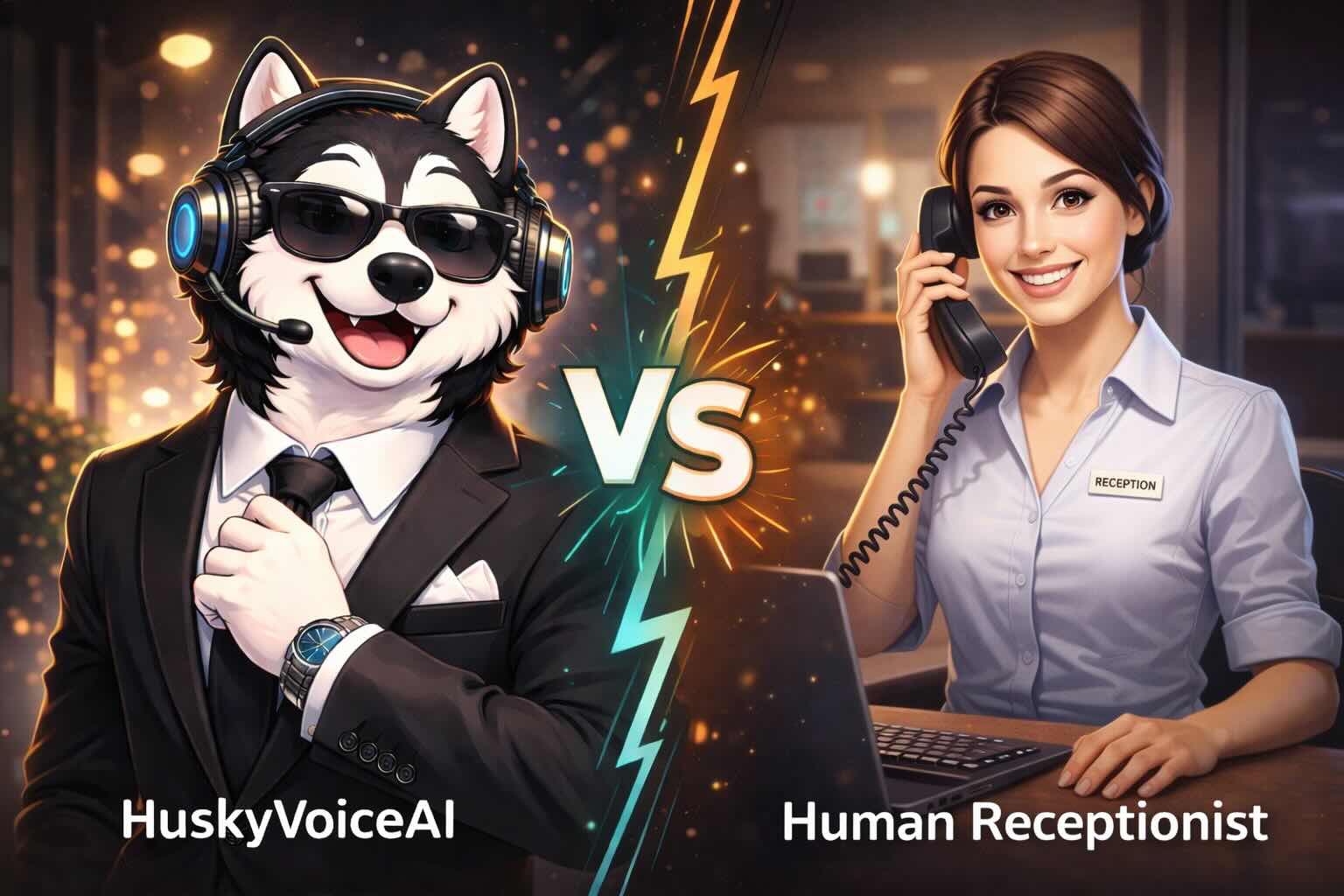
This is what the HuskyVoice AI Recruiter does.
👉 See how it works: https://www.huskyvoice.ai/recruitment
Where Drop-Offs Actually Happen
Let’s map it:
| Funnel Stage | Drop-Off Reason |
|---|---|
| After application | No immediate response |
| First call | Missed call |
| Follow-up | Recruiter too busy |
| Scheduling | Candidate confused |
| Before interview | Forgot |
| Interview day | No reminder |
AI screening calls address every single one of these.
Real-World Example: Bulk Hiring for Delivery Agents
A quick commerce company receives 400 applications.
Manual process:
• Recruiters start calling
• 40% don’t answer
• 20% forget
• 10% join elsewhere
Only ~120 candidates reach interviews.
With AI screening calls:
• AI calls all 400 instantly
• If no answer → retries
• If busy → reschedules
• If confused → explains again
• If qualified → schedules
Now 280+ reach interviews.
Same traffic.
Different system.
Why Voice Reduces Drop-Offs More Than Text
Many companies try:
• SMS reminders
• WhatsApp nudges
• Chatbot flows
These help—but they don’t solve the core problem.
Drop-offs happen because:
• People don’t read
• People forget
• People postpone
Voice forces attention.
A phone call feels urgent.
Voice Creates Psychological Commitment
When a candidate speaks their answers:
“I’m available tomorrow”
“My expected salary is X”
“Yes, I want this role”
They mentally commit.
This reduces flakiness.
Why Recruiters Love AI Screening Calls
Recruiters don’t want:
• More dashboards
• More tools
• More data
They want:
• Fewer missed calls
• Fewer no-shows
• Faster shortlists
• Better-qualified candidates
AI screening calls give them exactly that.
What This Looks Like at Scale
| Metric | Manual | AI Screening |
|---|---|---|
| Response time | Hours | Seconds |
| Drop-off | High | Low |
| Follow-ups | Manual | Automated |
| Consistency | Variable | Uniform |
| Workload | High | Low |
| Conversion | Low | High |
The Hidden Benefit: Candidate Experience
Candidates don’t want to wait.
They want clarity.
AI calls:
• Explain the role
• Answer FAQs
• Give next steps
• Confirm expectations
This reduces anxiety.
And anxious candidates drop off.
Why This Matters for Indian Hiring
India is:
• High volume
• High churn
• High competition
• High speed
Slow hiring = lost revenue.
AI screening calls are not “nice to have.”
They are becoming mandatory.
Where HuskyVoice Fits
HuskyVoice is built specifically for:
• High-volume Indian hiring
• Voice-first engagement
• Multilingual candidates
• WhatsApp fallback
• ATS integration
• Structured summaries
• Retry logic
• Human override
This is not a chatbot with speech.
This is a hiring infrastructure layer.
👉 Learn more: https://www.huskyvoice.ai/recruitment
The Future of Screening
By 2027:
• Screening will be instant
• Follow-ups will be automatic
• No-shows will drop
• Recruiters will focus on people
• AI will handle first contact
This is not speculation.
It’s already happening.
Final Thought
Drop-offs are not a candidate problem.
They are a system problem.
Fix the system.
And the problem disappears.