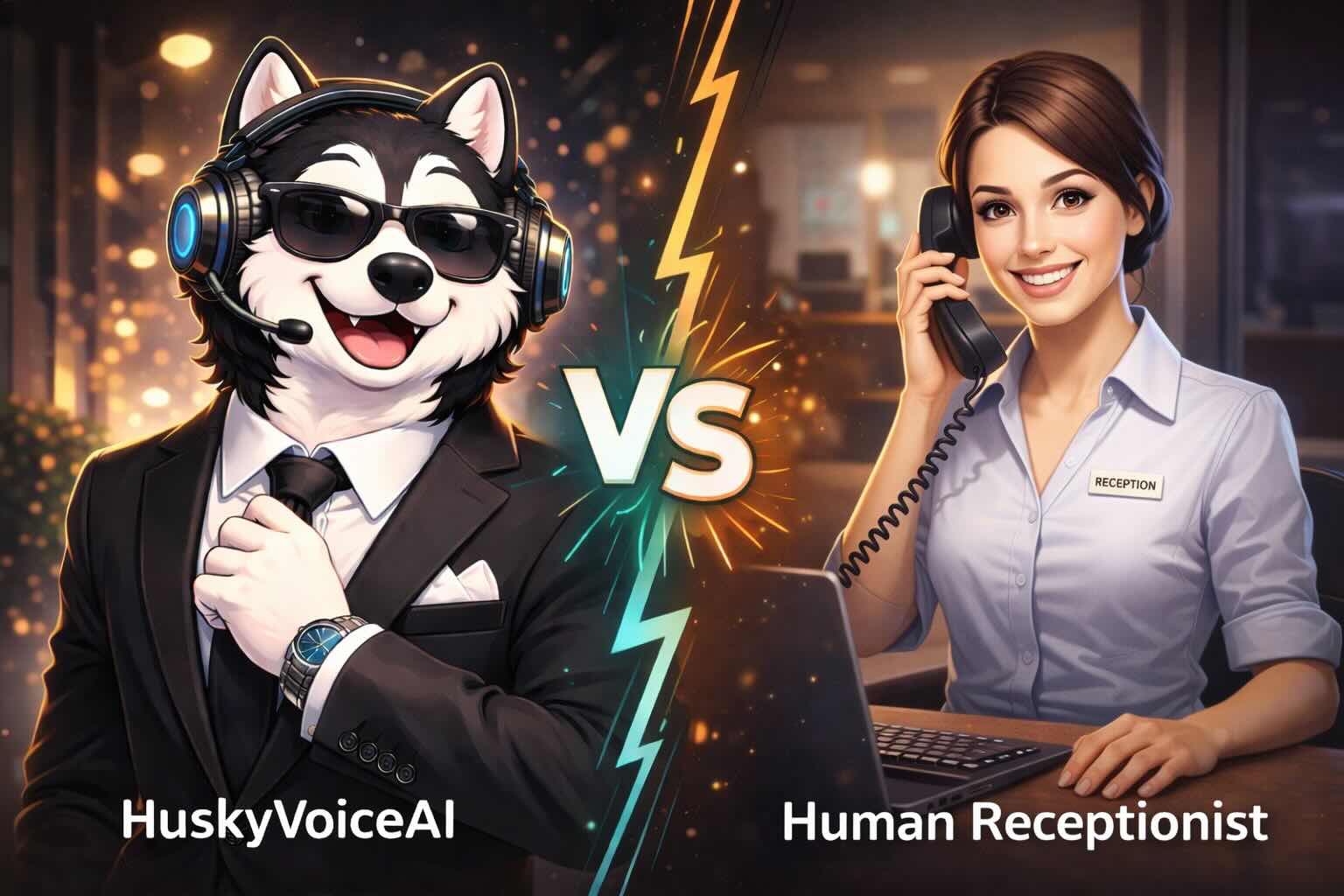
In the hyper-competitive healthcare landscape of 2026, the traditional “phone-first” patient engagement model is no longer just inefficient—it is a financial liability. As hospitals in metros like Delhi, Mumbai, and Bangalore struggle with high call volumes and patient leakage, a shift is occurring. The future of the patient journey isn’t just about answering the phone; it’s about asynchronous, multi-channel continuity.
The integration of Voice AI with WhatsApp Business API is moving from a “nice-to-have” feature to the backbone of modern clinical operations. Here is why this synergy is the definitive future of healthcare.
1. Meeting the “Digital-First” Patient Preference
The modern patient is no longer willing to wait on hold. According to 2025 healthcare communication trends, approximately 85% of patients now prefer text messaging over email or phone calls for routine healthcare interactions.
While a voice call provides a personal touch, it is ephemeral. A WhatsApp message, however, provides a persistent digital record.
“The integration of WhatsApp into healthcare strategies represents a significant shift… personalized, culturally tailored, and time-sensitive messaging significantly improves appointment adherence and proactive health-seeking behavior.” — ResearchGate, 2025.
2. The “Voice-to-WhatsApp” Continuity Loop
The most powerful use case for 2026 is the automated handoff. When a patient calls a hospital’s HuskyVoiceAI agent to book a slot, the engagement shouldn’t end when they hang up.
- The Workflow: As soon as the call ends, the AI triggers a WhatsApp message containing the appointment summary, a Google Maps location pin of the clinic, and a digital prep-instruction sheet.
- The Impact: This eliminates “no-shows” by giving the patient an easy-to-find reference in their chat history. Hospitals using WhatsApp reminders report a 25-40% reduction in no-show rates compared to those using SMS alone (Hyperleap AI, 2026).
3. Solving the Multilingual “Care Gap”
In Indian metros, hospitals often serve outstation patients and caretakers who may not be fluent in the local language or English. While a human receptionist might struggle to communicate complex instructions in a second language, AI-driven WhatsApp integration provides native-fluency support.
A patient can receive their pre-surgery instructions in Tamil, Telugu, or Hindi, ensuring total clarity. This “Linguistic Equity” is a major driver of patient trust and satisfaction. Research suggests that 24/7 accessibility and multilingual support via WhatsApp can lead to a 70-fold increase in patient interactions (Quad One, 2025).
4. Massive Operational ROI: The 80% Rule
From a management perspective, the goal is to protect the staff from “query fatigue.” Studies on healthcare automation show that AI chatbots can handle up to 80% of routine patient queries—such as “Where is my report?” or “Is Dr. Sharma available today?”—leaving the human staff to focus on critical, complex patient care (BotPenguin / 2Factor, 2026).
| Strategy | Traditional Phone Desk | Voice AI + WhatsApp Integrated |
| Response Time | Dependent on staff availability | Instant (24/7) |
| Information Retention | Low (Patient forgets verbal notes) | High (Stored in Chat) |
| Scalability | Linear (Need 1 person per call) | Exponential (Handles 1,000s at once) |
| Cost per Interaction | High (Salary + Overhead) | Low (Fractional credit cost) |
5. Closing the Revenue Leakage
For hospital GMs, the bottom line is “Patient Leakage.” Every missed call or abandoned hold is a lost consultation. By integrating WhatsApp, hospitals create a “Safety Net.” If a patient calls and the line is busy, the system can automatically send a WhatsApp: “We missed your call! Would you like to book an appointment right here?”
Leading institutions like Apollo Hospitals have seen a 60% reduction in appointment booking time and a 45% increase in patient satisfaction by leaning into these automated WhatsApp workflows (2Factor, 2026).
Conclusion: The New Standard of Care
In 2026, a hospital’s “front door” is no longer just the physical lobby or a phone number—it is the WhatsApp interface on a patient’s smartphone. By integrating HuskyVoiceAI’s multi-call capacity with the ubiquitous reach of WhatsApp, hospitals are not just “handling calls”; they are building a modern, frictionless healthcare experience that prioritizes the patient’s time and the hospital’s growth.
Does your hospital have a “Busy Tone” problem? It might be time to move beyond the call.
For a detailed ROI analysis on how Voice AI and WhatsApp can transform your clinic’s patient conversion, contact the HuskyVoiceAI Strategy Team.