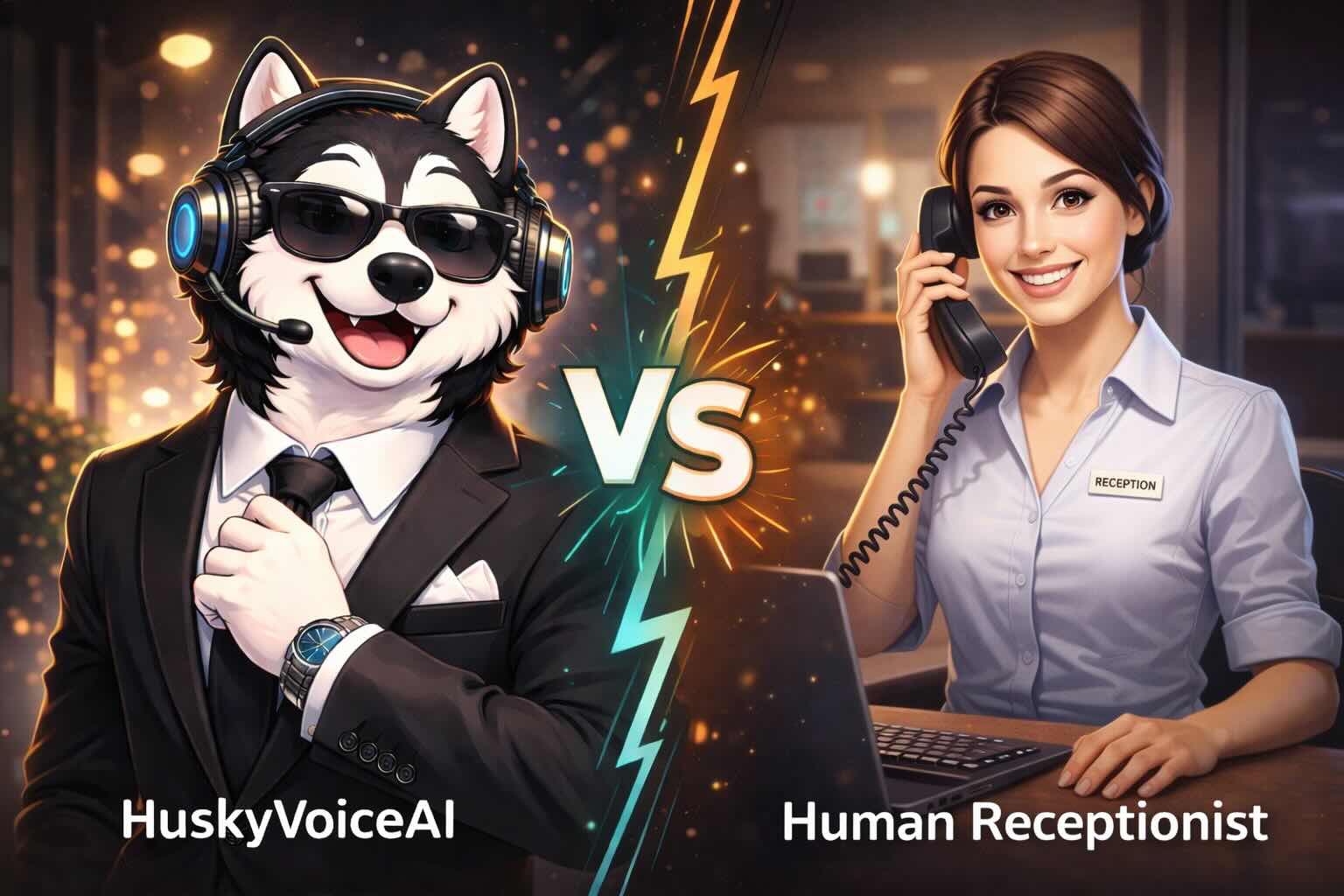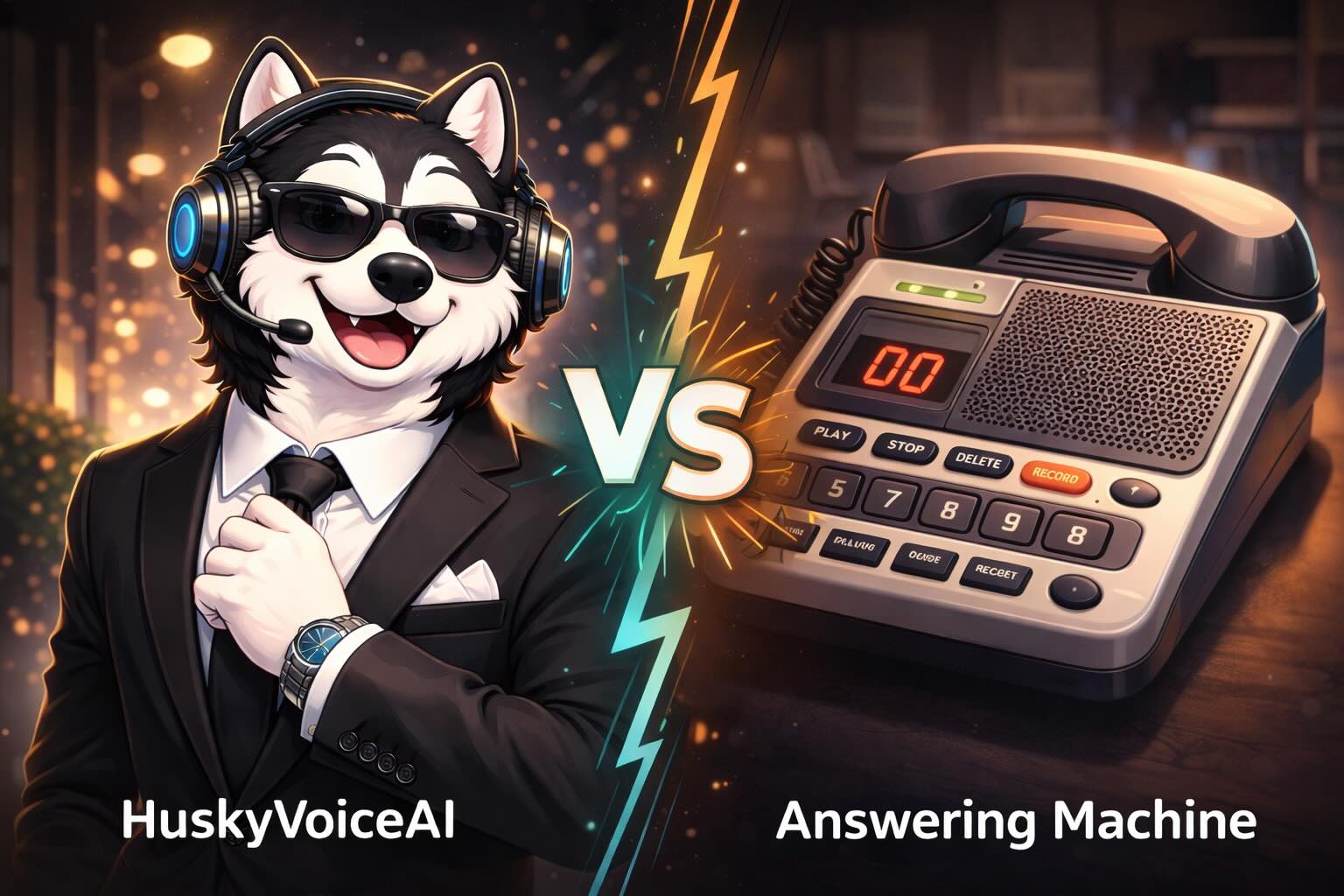
If you’ve ever missed an important call, chances are someone suggested a call answering service. For years, these services have helped businesses ensure calls don’t go unanswered when teams are busy or unavailable.
More recently, AI receptionists have entered the picture — handling calls automatically, around the clock.
So how do these two options actually compare in real-world use?
What is a call answering service?
A call answering service relies on human agents, usually working from an external call center. They answer calls on your behalf, take messages, and sometimes follow basic scripts.
They are commonly used for:
- After-hours coverage
- Overflow calls during busy periods
- Small teams that can’t staff a front desk full-time
The experience feels human, but it depends heavily on how well agents are trained and how clearly scripts are defined.
What is an AI receptionist?
An AI receptionist answers calls using conversational AI. Instead of forwarding calls to a human operator, it:
- Understands what callers say in natural language
- Asks follow-up questions when needed
- Books appointments, routes enquiries, or captures details
- Works continuously without shift limits
From the caller’s perspective, it feels like speaking to a capable front-desk assistant — without waiting on hold.
The key difference: humans on demand vs systems at scale
At a high level:
- Call answering services scale by adding more people
- AI receptionists scale through software
This difference affects cost, consistency, and availability more than most businesses expect.
Availability and response time
Call answering services
- Limited by working hours and agent availability
- Call quality can vary by shift or agent
- Peak-time delays are common
AI receptionist
- Always available, including nights and weekends
- No wait times or call queues
- Same experience for every caller
For businesses where timing matters — appointments, enquiries, or urgent calls — consistency becomes critical.
Handling appointments and follow-ups
This is where many answering services fall short.
- Answering services usually take messages and pass them along
- AI receptionists can complete the task during the call
That means:
- Booking appointments in real time
- Confirming details instantly
- Reducing back-and-forth with staff
For appointment-driven businesses, this difference directly affects conversion rates.
Cost comparison over time
Answering services often appear affordable at first, but costs typically increase with:
- Call volume
- Longer conversations
- After-hours coverage
AI receptionists usually follow a predictable pricing model that doesn’t fluctuate with every additional minute.
The trade-off is simple:
- Humans cost more as usage grows
- AI handles growth without proportional cost increases
Consistency and training
Human answering agents need:
- Training
- Script updates
- Ongoing quality monitoring
AI receptionists:
- Follow defined logic consistently
- Don’t forget instructions
- Don’t vary by mood or fatigue
For businesses that care about consistent brand experience, this reliability matters.
When a call answering service still makes sense
A traditional answering service can still be useful when:
- Call volumes are very low
- Calls are highly sensitive or complex
- The business prefers human-only interactions
Some industries also value human warmth over speed or automation.
When an AI receptionist is a better fit
Businesses often move to an AI receptionist when:
- Calls are frequent or unpredictable
- Appointments or leads are time-sensitive
- After-hours calls matter
- Staffing costs are rising
In these cases, automation isn’t about replacing people — it’s about removing bottlenecks.
A practical hybrid approach
Many teams start by:
- Using an answering service for edge cases
- Letting an AI receptionist handle routine inbound calls
This reduces cost while improving responsiveness, without forcing an all-or-nothing switch.
Final takeaway
Call answering services focus on coverage.
AI receptionists focus on completion.
If your business depends on phone calls to convert interest into action — bookings, enquiries, or follow-ups — the difference is more than operational. It’s measurable.
Learn more
To see how modern businesses handle calls automatically without relying on call centers, explore how an AI receptionist for businesses works:
👉 https://www.huskyvoice.ai/ai-receptionist